
July 20 – August 7, 2026 | Jakarta International University
Written by Jessica Christiana
Jakarta International University (JIU) students participated in a Design Sprint Camp in collaboration with UNESCO from July 20 to August 7, 2026. The program introduced students to design thinking and gave them the opportunity to develop ideas through a structured process, from identifying problems to creating possible solutions.
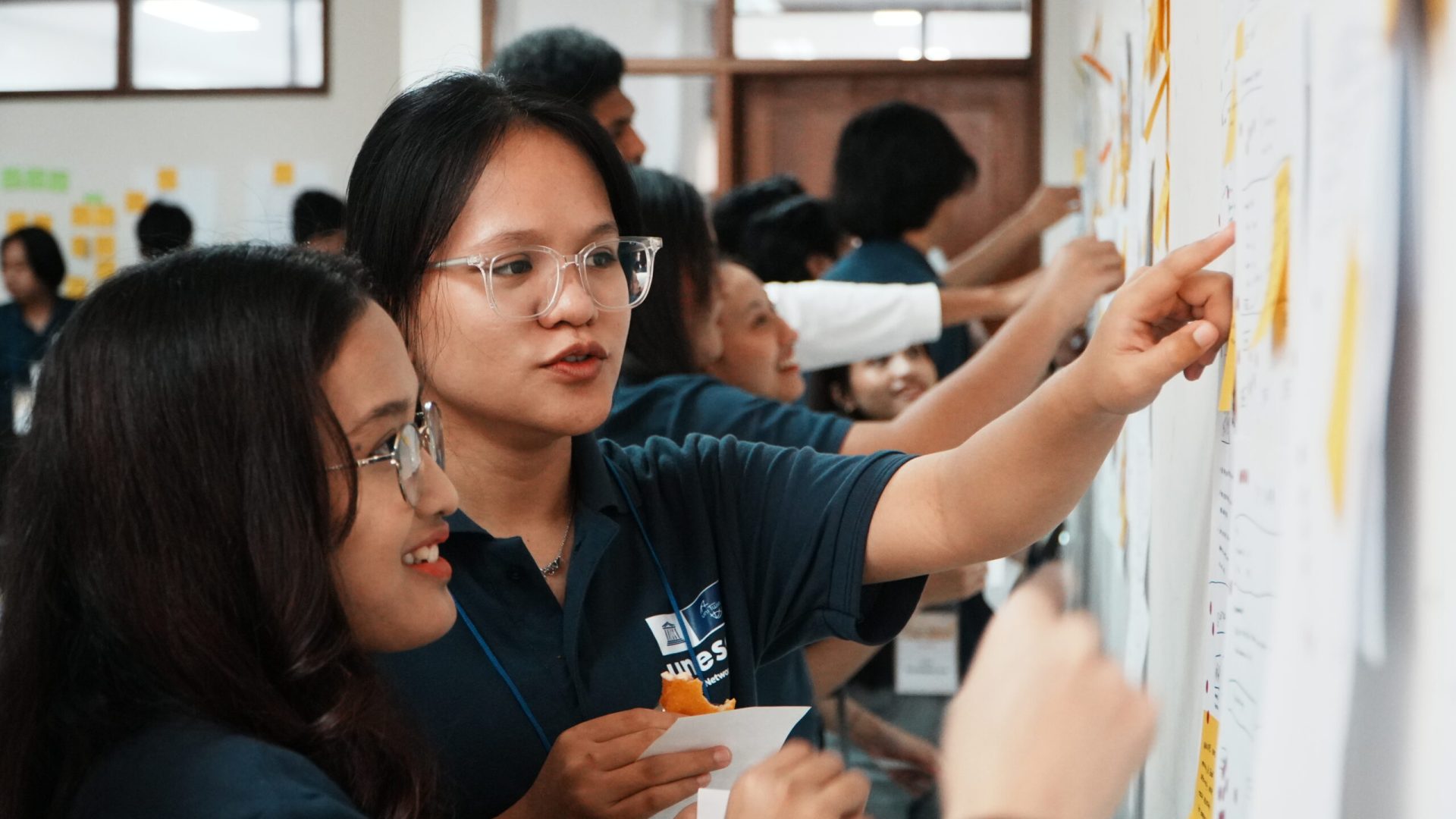
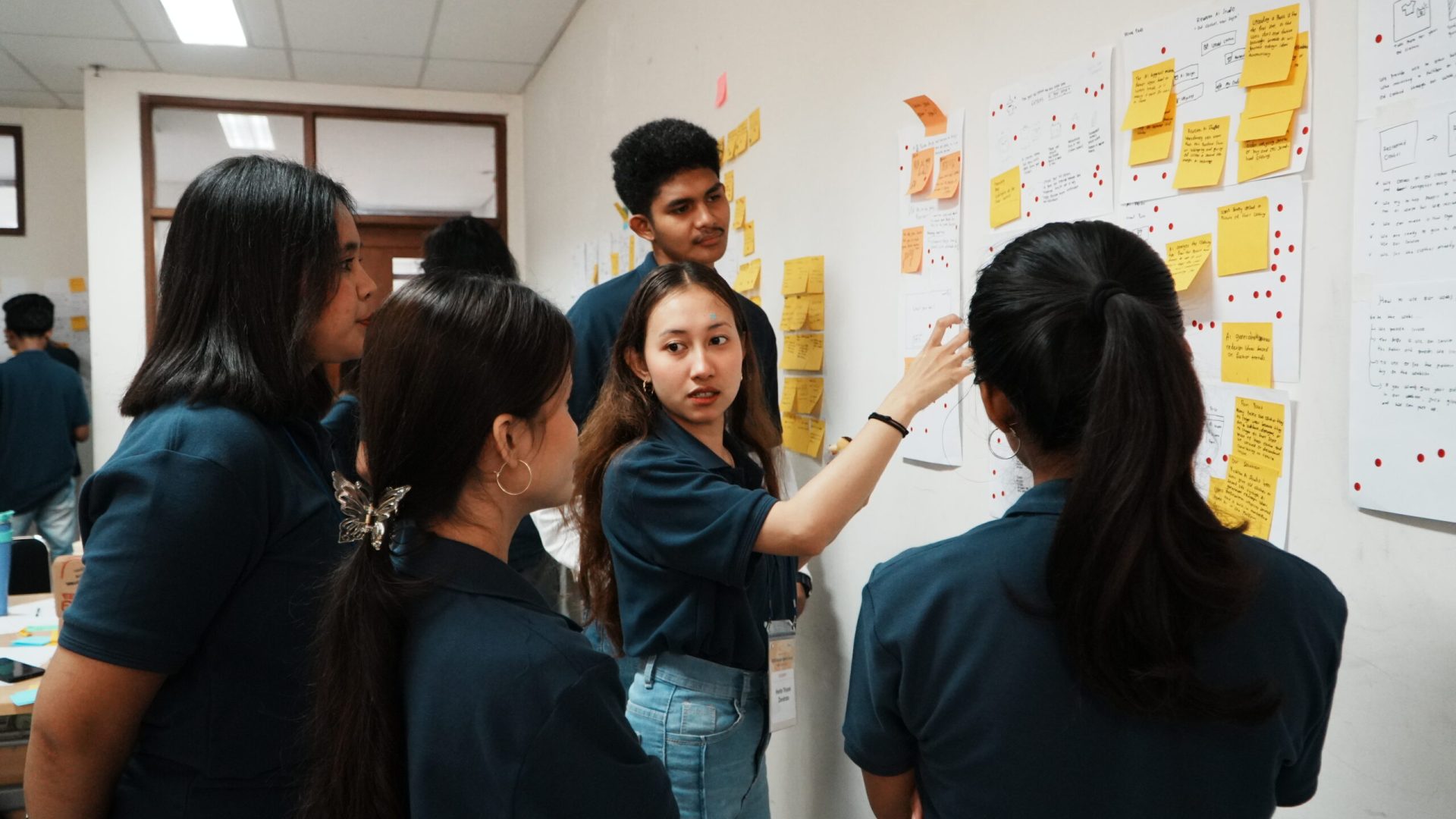
During the camp, students learned how to look at problems more carefully, understand different perspectives, and explore ways to address challenges. Rather than jumping straight to a solution, they were encouraged to consider the needs behind each problem and think about how their ideas could be developed into something useful.
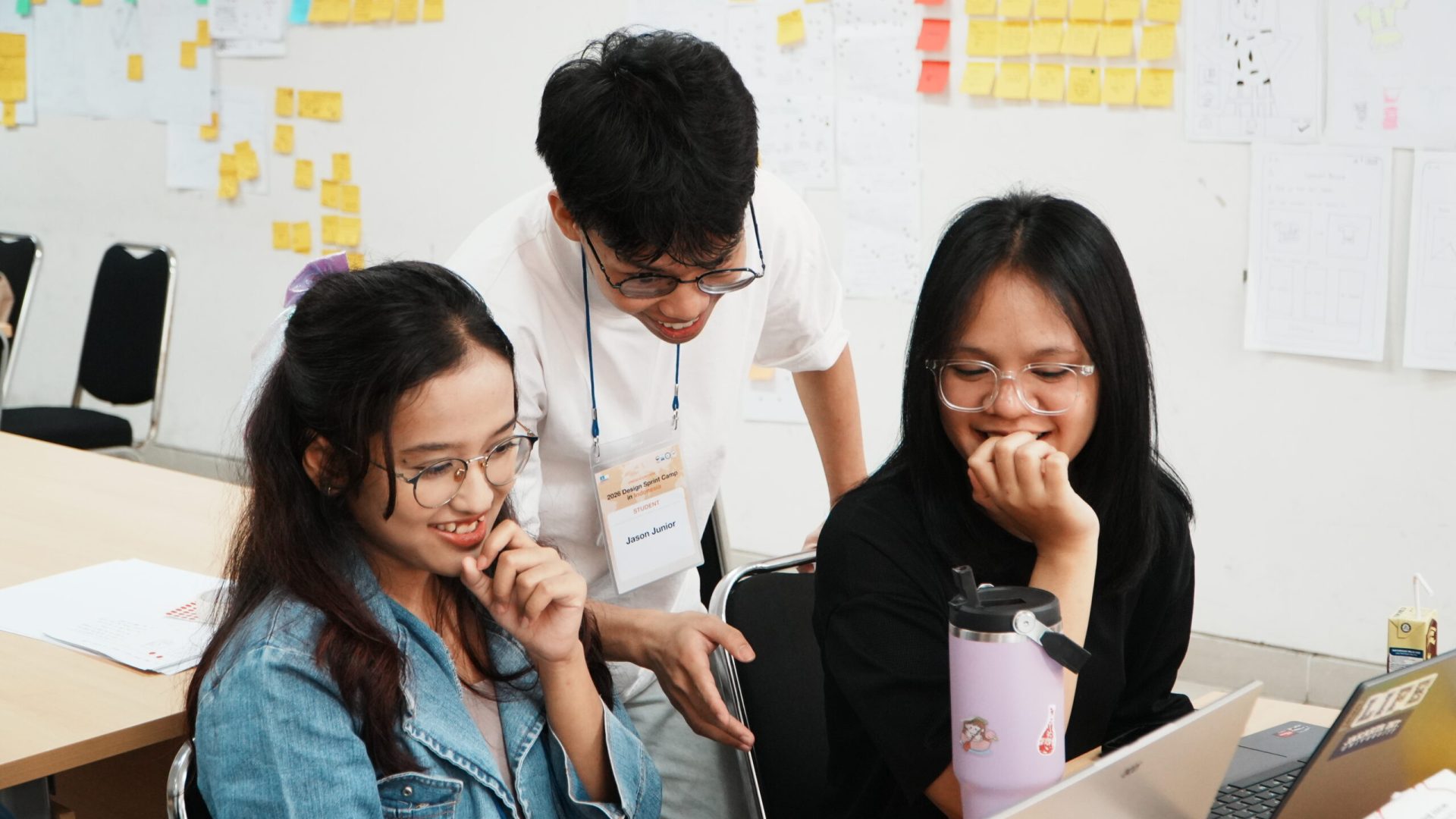
The program also included hands-on design activities. Students worked on their design concepts and used Figma to create prototypes of their ideas. Through this process, they could see how an initial concept could take shape as a visual design. They also prepared presentations to explain their work and communicate their ideas to others.
Throughout the activities, students had opportunities to practice critical thinking, creativity, and collaboration. Developing a design concept required them to consider different possibilities, make decisions, and refine their ideas along the way. These activities helped them understand that design is not only about how something looks, but also about how it works and how it responds to a particular need.
Presentation sessions were another important part of the experience. Students had to organize their thoughts and explain the purpose behind their designs. Learning to communicate an idea clearly is an important skill, especially when working with people who may have different backgrounds or perspectives.
Learning Beyond the Classroom
The Design Sprint Camp offered students practical experience that complemented their academic learning. By working through the design process and creating prototypes, they could apply what they learned instead of relying only on theory. The experience also gave them a closer look at how design thinking can be used to approach challenges in different fields.
Through its collaboration with UNESCO, JIU provided students with an opportunity to explore new ways of thinking and strengthen their digital design skills. The program encouraged them to remain curious, consider different approaches, and be more intentional when developing solutions.
As students continue their studies, the experience they gained from the camp can serve as a foundation for future projects and challenges. The ability to identify problems, develop ideas, and present solutions is useful not only in design-related work but also in academic projects and future professional settings.